Understanding Insecticides: Protecting Crops and Ensuring Higher Yields
Insecticides play a vital role in modern agriculture by helping farmers protect crops from harmful insects and pests. From preventing crop damage to improving productivity, insecticides contribute significantly to sustainable farming practices when used responsibly.
What Are Insecticides?
Insecticides are chemical or biological substances designed to control or eliminate insects that damage crops, plants, and stored products. They are available in various forms, including sprays, granules, powders, and liquid concentrates.
Different types of insecticides target different pests, making it essential to choose the right product for specific agricultural needs.
Why Are Insecticides Important?
Insects can cause severe losses in agricultural production. Effective pest management helps:
- Protect crops from harmful insects
- Increase crop quality and yield
- Reduce economic losses
- Improve food security
- Support sustainable farming practices
By using appropriate insecticides, farmers can maintain healthier crops and achieve better productivity.
Common Types of Insecticides
Contact Insecticides
These insecticides kill pests when they come into direct contact with the chemical. They are effective against a wide range of insects and are commonly used in agriculture.
Systemic Insecticides
Systemic insecticides are absorbed by plants and provide protection from within. When insects feed on treated plants, they ingest the insecticide and are eliminated.
Biological Insecticides
Derived from natural organisms, biological insecticides offer an environmentally friendly approach to pest control while minimizing the impact on beneficial insects.
Best Practices for Using Insecticides
To ensure effective pest control and environmental safety, farmers should:
- Read product labels carefully.
- Use recommended dosages.
- Apply insecticides at the right time.
- Wear proper protective equipment.
- Avoid excessive or unnecessary spraying.
- Follow local agricultural guidelines.
Responsible usage helps maintain ecological balance and prevents pest resistance.
Emerging Trends in Pest Management
Modern agriculture is increasingly adopting Integrated Pest Management (IPM), which combines biological control, crop rotation, monitoring, and selective insecticide use. This approach reduces chemical dependence and promotes sustainable farming.
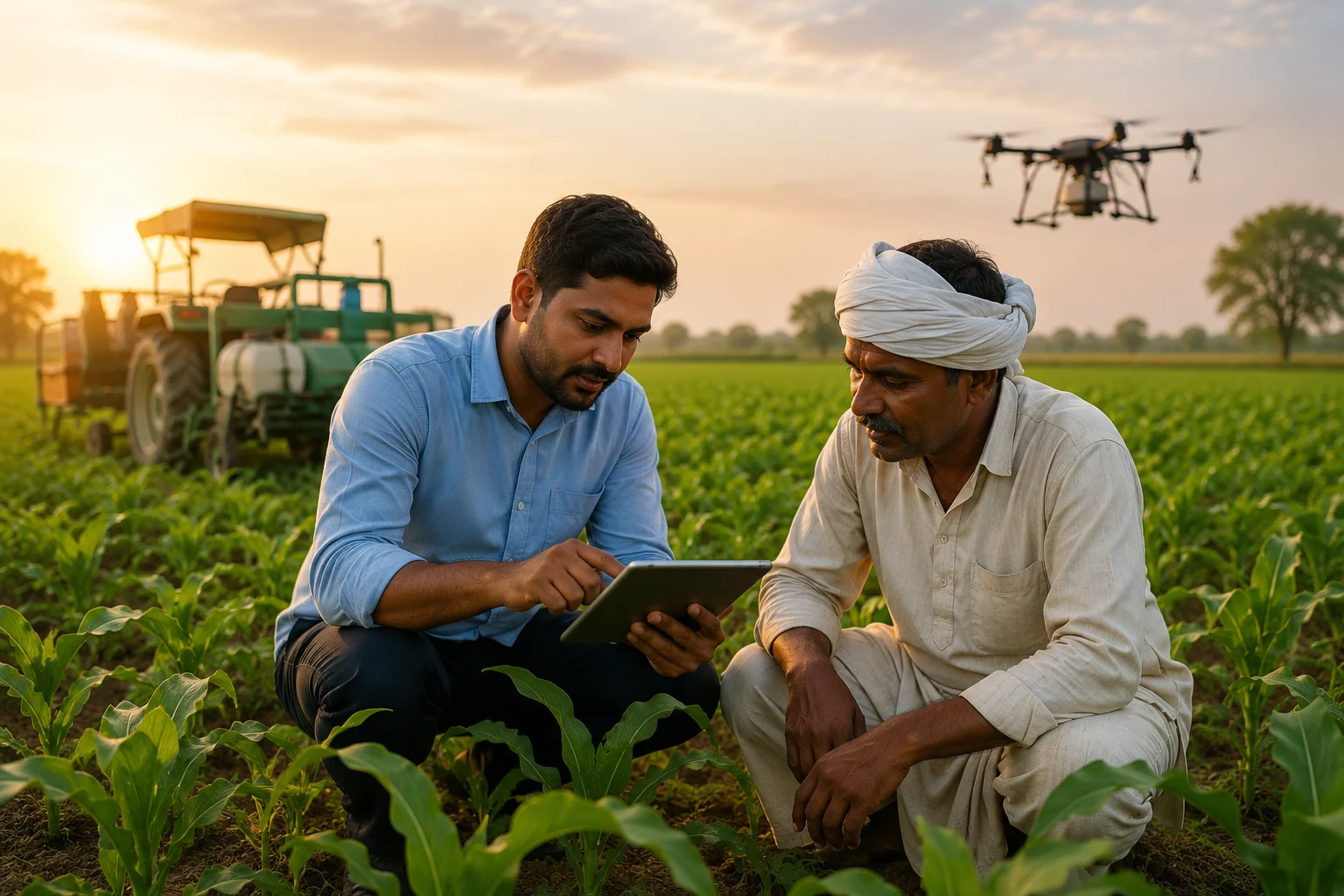
Technological advancements are also enabling precision spraying and data-driven pest monitoring, helping farmers optimize insecticide applications.
Conclusion
Insecticides remain an essential component of crop protection and agricultural productivity. When used responsibly and combined with modern pest management practices, they help farmers safeguard crops, enhance yields, and contribute to global food security.
Choosing the right insecticide and following recommended practices can ensure healthier plants and sustainable farming for future generations.